
Back-to-School Safety Tips for Students and Families
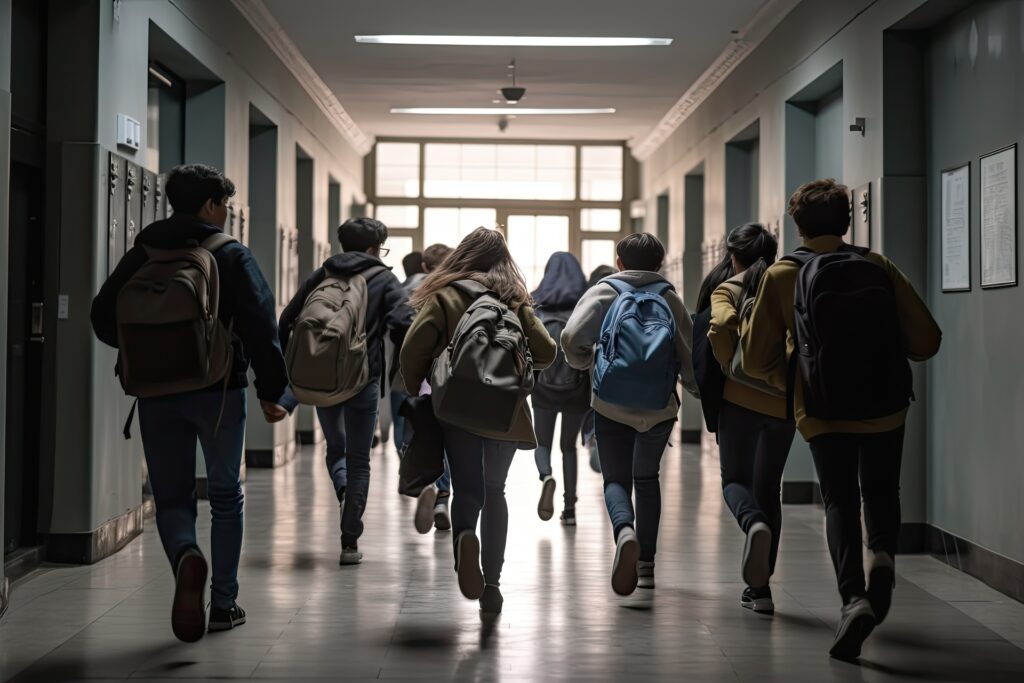
The start of a new school year means busy mornings, afternoon activities, sporting events, practices, and changes in routine. With students spending more time away from home, now is a good time for families to review everyday safety practices.
At CDS Protective Services, we know that awareness and preparation can make a difference. Here are some practical tips parents and students can keep in mind throughout the school year.
Create a Family Safety Plan
Make sure your children know what to do if something unexpected happens.
Children should know their parent or guardian’s full name and, when age appropriate, a phone number they can call. Families can also choose a trusted relative, neighbor, or family friend as an emergency contact.
Talk through common situations, such as what to do if a parent is late for pickup, plans suddenly change, or a child becomes separated from their group.
Establish Clear Pickup Rules
Children should know exactly who is authorized to pick them up from school, daycare, practices, and other activities.
Consider creating a family password or code word for unexpected situations. If someone your child doesn’t normally ride with says they were sent to pick them up, your child can ask for the agreed-upon word before going anywhere with that person.
Children should also understand that they should never accept a ride from someone without prior permission from a parent or guardian.
Stay Alert at Bus Stops
Bus stops can become busy and distracting, especially at the beginning of the school year.
Encourage students to wait in a designated, visible location and avoid standing too close to traffic. Phones, headphones, and other distractions should be put away when the bus is approaching or when students are crossing the street.
Drivers should also be especially attentive during morning and afternoon school hours and always follow school-bus traffic laws.
Use the Buddy System
When possible, students should avoid walking alone, especially in unfamiliar areas or during early morning and evening hours.
Walking with siblings, friends, neighbors, or trusted adults can provide an extra layer of security. Parents should also establish an approved route between home, school, bus stops, and other frequently visited locations.
Remind children to avoid shortcuts through isolated or unfamiliar areas.
Practice Situational Awareness
Situational awareness doesn’t mean being afraid. It simply means paying attention to what is happening around you.
Encourage students to be aware of their surroundings when entering or leaving school, walking through parking lots, attending events, or waiting for transportation.
Phones and headphones can make it harder to notice vehicles, people, or other potential hazards. Teach students to look up, pay attention, and trust their instincts. If something doesn’t feel right, they should move toward a safe, populated area and contact a trusted adult.
Remember Online Safety
Back-to-school safety also extends to phones, computers, social media, and gaming platforms.
Students should be cautious about publicly sharing information such as:
- Their daily schedule
- School or classroom information
- Home address
- Phone number
- Passwords
- Real-time location
- Details about when they’ll be home alone
Parents should periodically review privacy settings with their children and talk openly about who they communicate with online.
A helpful rule for students is simple: If you wouldn’t give the information to a stranger in person, think twice before sharing it online.
Talk About After-School Safety
School may end in the afternoon, but many students still have practices, rehearsals, tutoring, clubs, and other activities.
Parents should know where their children are expected to be, who is supervising them, how they’re getting home, and approximately when they should arrive.
If plans change, establish a simple family rule: check in first.
Keep the Conversation Going
Safety shouldn’t be a conversation families have only at the beginning of the school year.
Check in periodically. Ask children whether anything has changed with their bus stop, walking route, after-school activities, or online interactions. Regular conversations can help families recognize potential concerns and address them early.
A Safer School Year Starts With Awareness
Parents can’t anticipate every situation their children may encounter, but preparation can help students make safer decisions when something unexpected happens.
Review your family’s plans, establish clear expectations, keep communication open, and encourage children to remain aware of their surroundings.
From everyone at CDS Protective Services, we wish students, parents, teachers, administrators, and school staff a safe and successful school year.
CDS Protective Services
Protection. Awareness. Peace of Mind.